
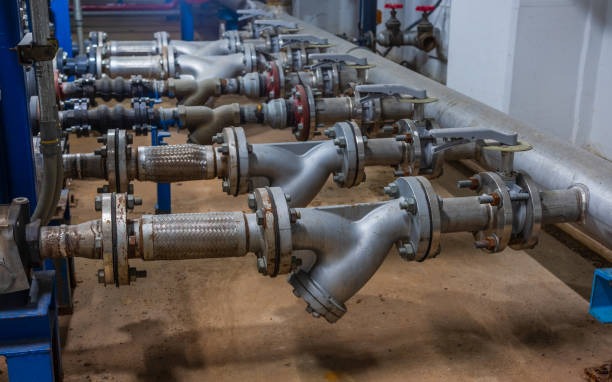
In many fluid handling systems, protecting pumps, valves, and other downstream equipment from debris and contamination is crucial for maintaining performance and preventing damage. A y-strainer is a simple yet effective device designed to filter solid particles from liquids or gases as they flow through pipelines. Its distinctive shape and reliable function make it a widely used accessory in industrial, commercial and mechanical systems that require cleaner, better-conditioned fluid flow.
Many engineers and maintenance professionals choose high-quality products such as the y-strainer because they provide dependable performance and help reduce wear and tear in critical components. Placing a strainer at the right point in a system can help extend the service life of expensive equipment and improve overall system efficiency.
How a Y Strainer Works
A y-strainer gets its name from its characteristic Y-shaped body, which houses a perforated screen or mesh element. As fluid travels through the pipeline, it passes through this screen, which captures debris and particles that could otherwise damage downstream equipment. The filtered contaminants accumulate in the strainer’s collection chamber, which can be accessed and cleaned during routine maintenance.
The design allows for a low-pressure drop and smooth flow, making Y-strainers suitable for many fluid systems. Because the screen can be sized according to particulate characteristics and flow rates, these devices are adaptable to a variety of applications and fluid types, including water, steam, oil and chemicals.
Benefits of Using a Y Strainer
One of the primary advantages of a y-strainer is its ability to provide reliable protection without significantly impeding fluid flow. By removing solid particles early in the system, strainers help prevent excessive wear on pumps, control valves, heat exchangers and other sensitive components. This proactive filtration reduces the risk of costly repairs or unexpected downtime.
Another benefit is ease of maintenance. Most y strainers feature a removable screen element that can be withdrawn, cleaned or replaced during scheduled system servicing. This accessibility makes it simple to maintain optimal filtration performance and ensures that the device continues to function efficiently over time.
Common Applications Across Industries
The y strainer is used in a wide range of industries where fluid quality and equipment protection are critical. In water treatment systems, strainers help remove debris that could clog valves or damage treatment components. In HVAC systems, they protect circulating pumps and control equipment from particulate build-up. Industrial processes involving steam, oil or chemical delivery also rely on strainers to safeguard sensitive parts and maintain smooth operations.
Commercial settings such as food processing facilities and commercial buildings may also use y-strainers to protect irrigation lines, boiler feed systems and other fluid circuits where contamination could disrupt performance or compromise safety.
Selecting the Right Y-Strainer
Choosing the appropriate y-strainer involves considering factors such as pipe size, flow rate and the nature of the fluid being filtered. The screen mesh size must be matched to the typical size of debris expected in the system to ensure effective separation without undue pressure loss. Material selection — such as cast iron, stainless steel or carbon steel — also contributes to the strainer’s ability to withstand pressure, temperature and chemical exposure.
Working with a reputable supplier ensures that the y strainer you select is sized and specified correctly for your system’s requirements, helping deliver reliable operation and long-term performance.
Conclusion
In summary, a y-strainer plays an important role in maintaining clean, stable fluid flow and protecting key components in a wide range of systems. Its simple yet effective design captures unwanted particles, reduces equipment wear and helps prevent operational issues before they arise. By choosing the correct strainer and conducting routine maintenance, system operators can improve reliability, reduce downtime and extend the service life of critical infrastructure.